The Investment Casting (Precision Casting) Process
From wax to stainless steel by the lost-wax method, the eight stages of investment casting in our Istanbul atelier.
Investment casting, also known as the lost-wax casting method, is a stainless steel casting technique developed thousands of years ago in Mesopotamia. Gerra keeps it alive in its modern Istanbul atelier, producing every piece, from chess sets to bottle stoppers, pipe accessories to bespoke commissions, through the same eight stages, from wax model to hand-finished steel.
From wax to metal: casting in our atelier
Making the Wax Model
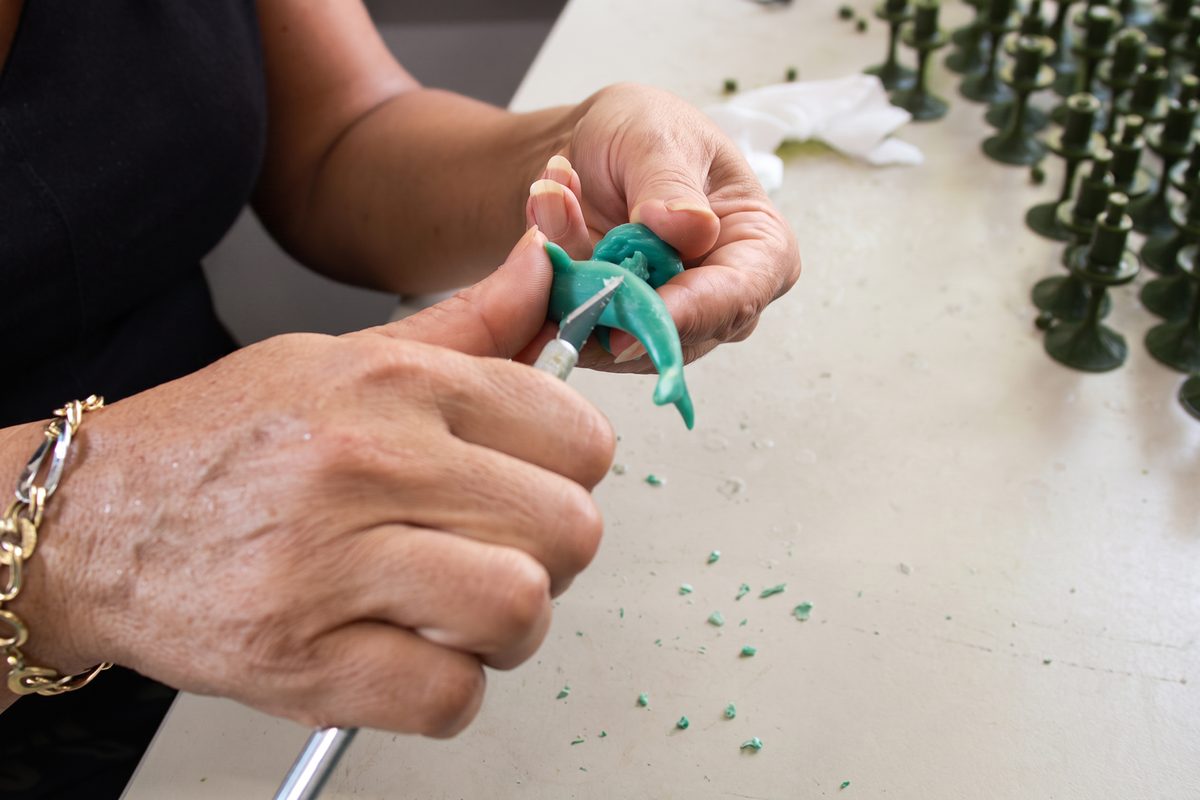
Every Gerra piece begins with wax injection. An exact copy of the intended piece is formed by injecting liquid wax into aluminium moulds, surface detail, mythological motif and hand-carved relief included. This wax model defines the void the molten metal will occupy in the investment casting process.
Assembling the Tree
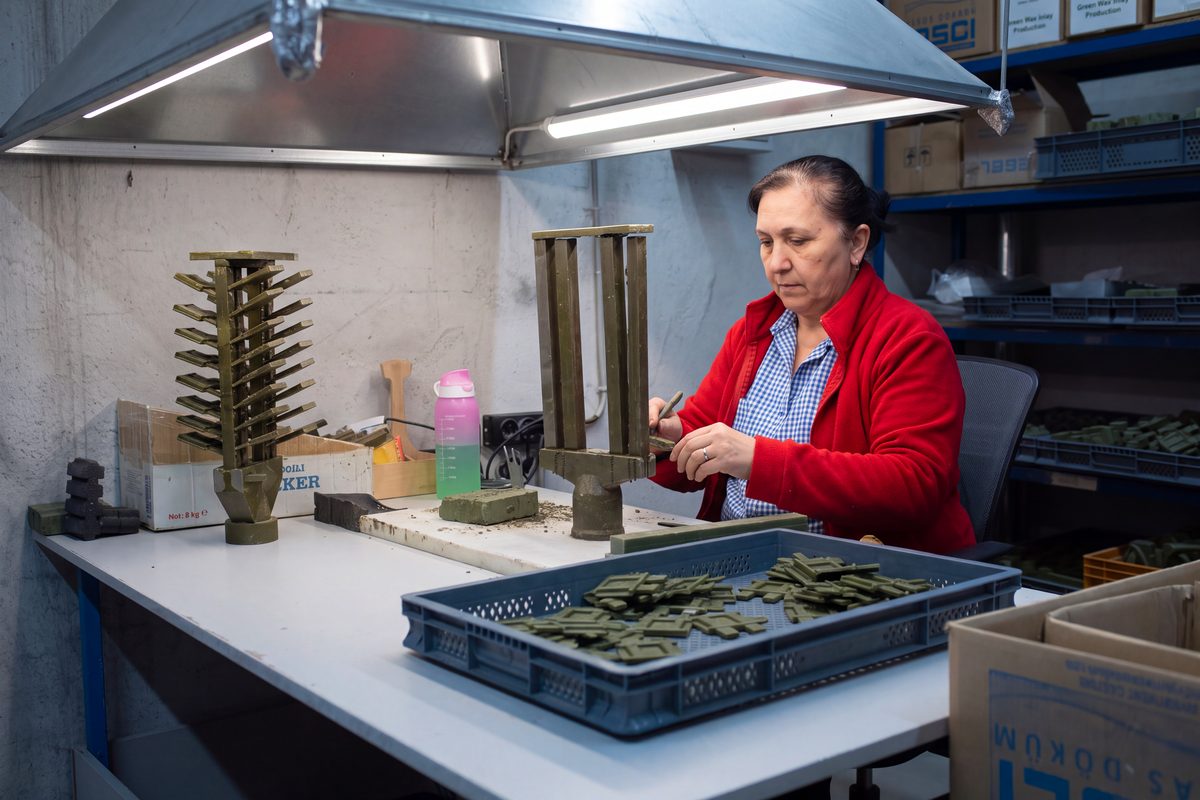
The finished wax models are mounted, one by one, onto a central wax sprue, the tree. This wax tree assembly lets multiple pieces be cast together in a single pour, carrying both the precision and the economy of investment casting.
Ceramic Coating
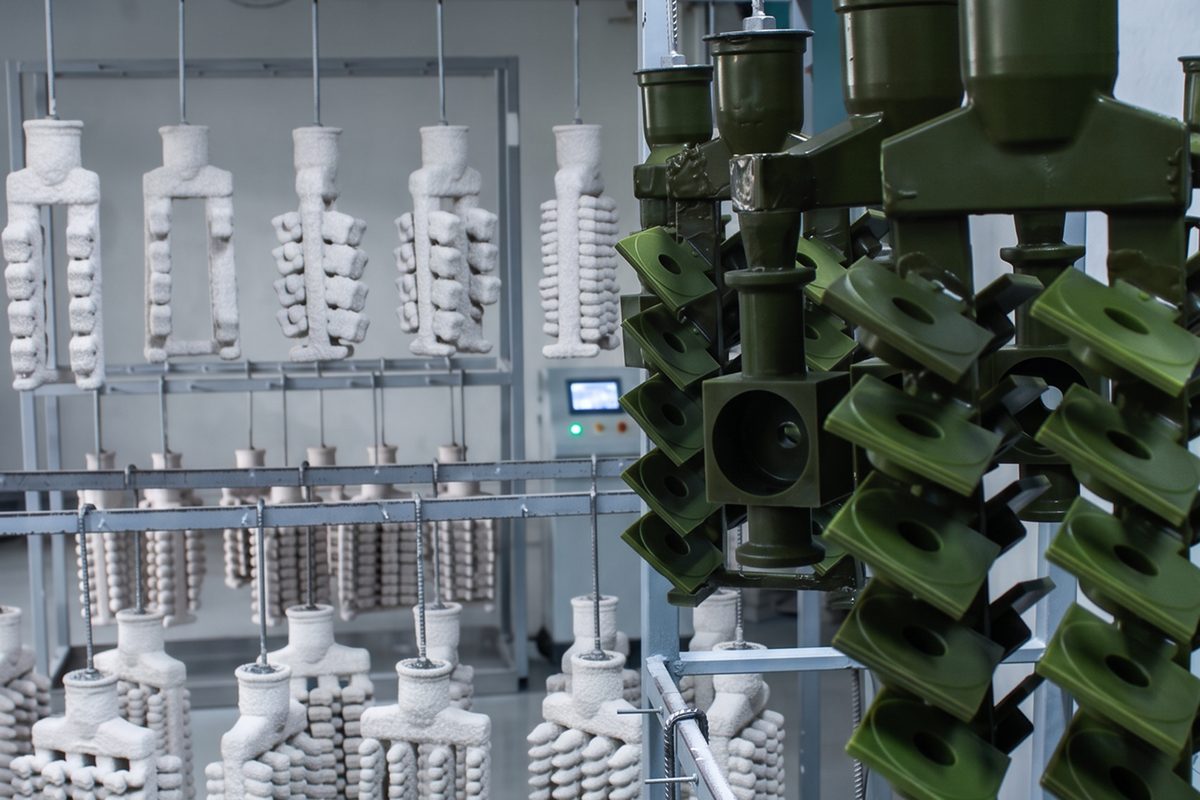
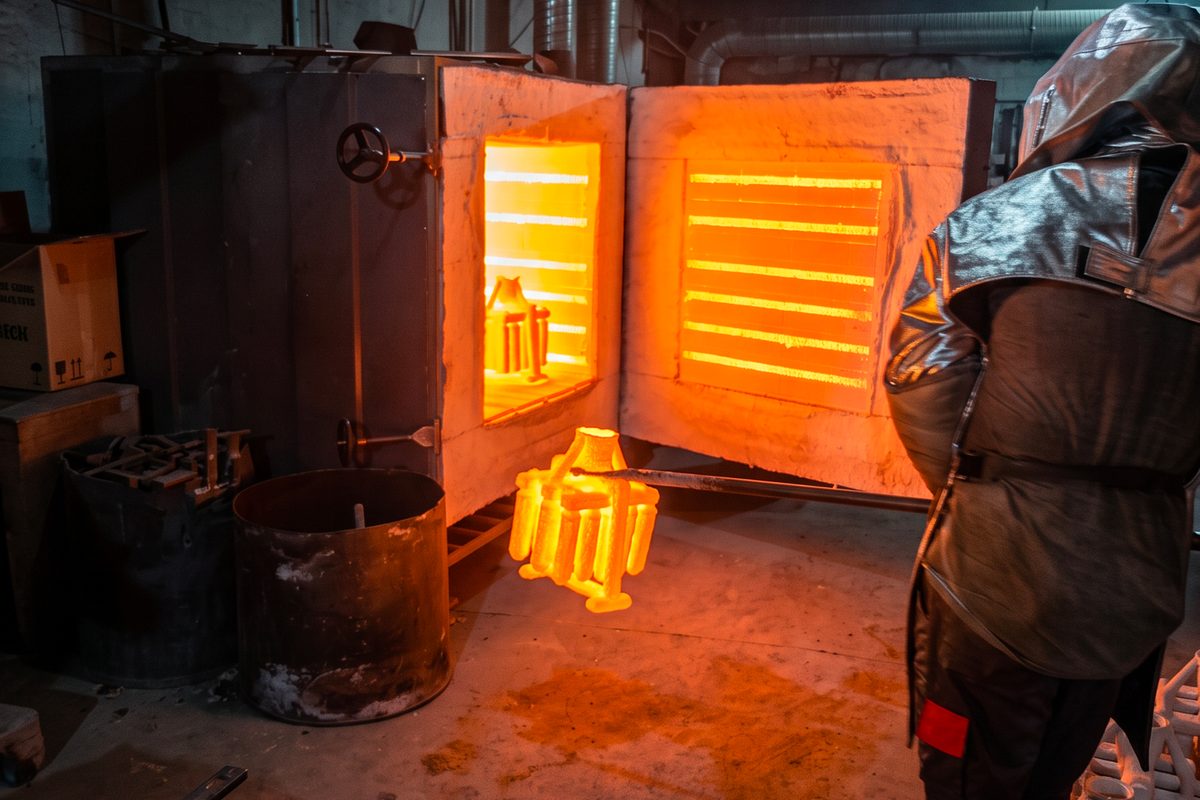
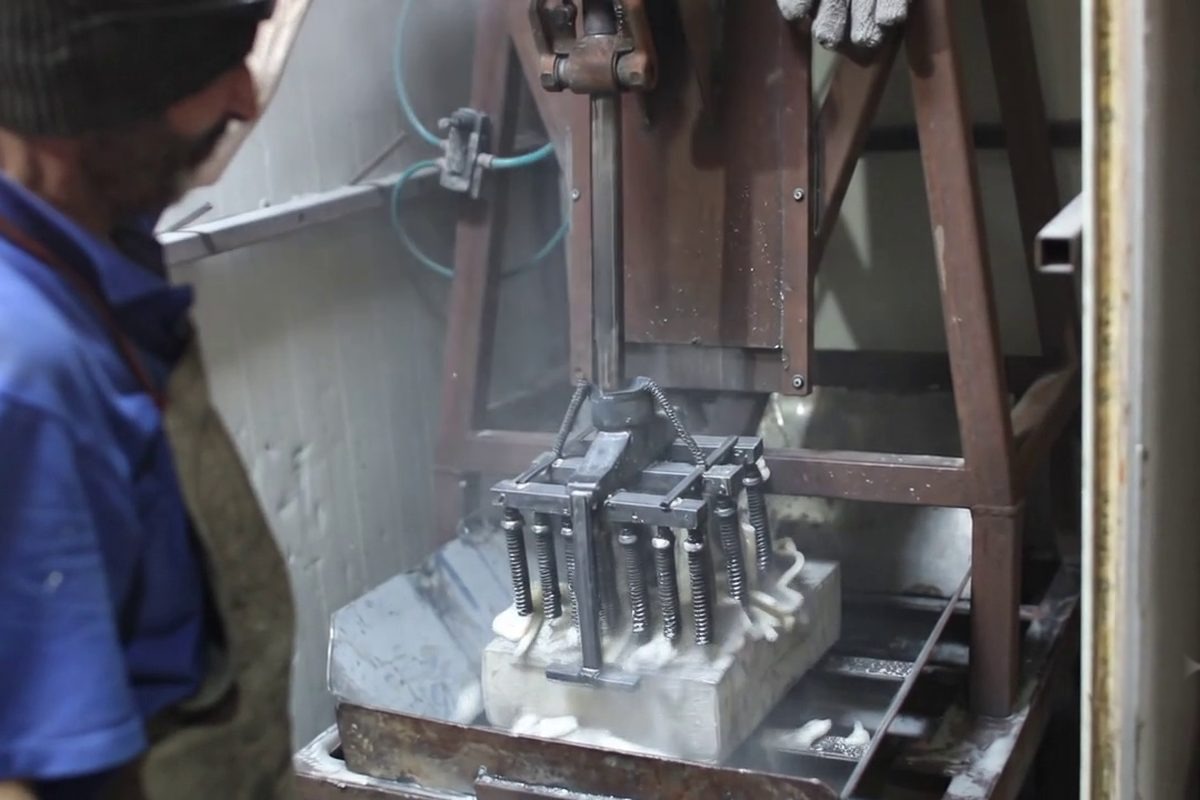
The wax tree is dipped repeatedly into a refractory slurry and fine ceramic sand, coat by coat, each layer left to dry, the shell-building stage of investment casting. The layers accumulate into a rigid ceramic mould that can withstand temperatures exceeding 1400°C during the pour.
Removing the Wax
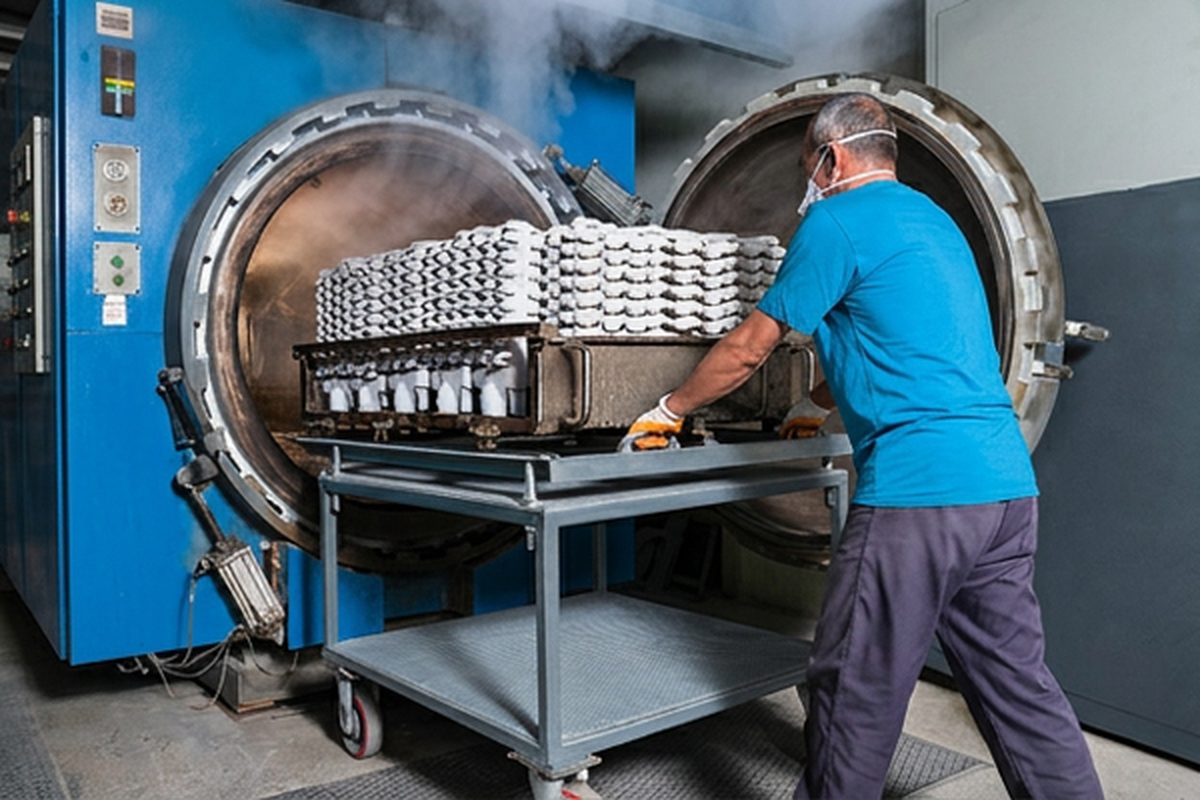
To open the casting cavity, the wax inside the ceramic shell is melted and driven out under pressure in an autoclave, the dewaxing stage, run at roughly 7 bar and 200°C for 15 to 20 minutes. The void the wax leaves becomes the mould itself; this is the exact moment the technique earns its name, the lost-wax method.
Firing the Mould
The ceramic mould is fired at high temperature, the shell-firing stage, to burn off any remaining wax residue and gain the strength to withstand molten stainless steel. This step is the guarantee behind the moment the mould meets the pour.
The Pour
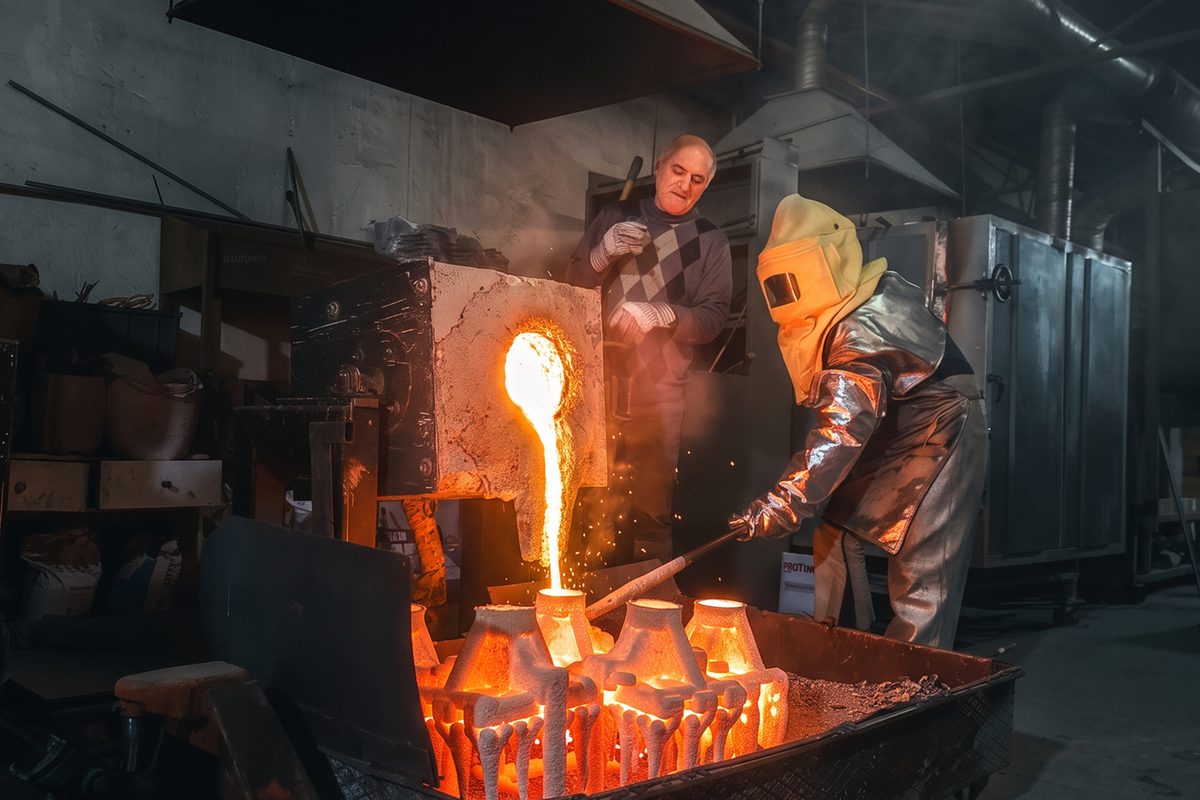
Molten stainless steel is poured into the preheated ceramic mould, the pour, the climax of the investment casting process. Metal fills every void as the wax model becomes a permanent form. Each Gerra piece is the product of this single transformative instant.
Breaking and Cleaning the Mould
Once the metal has cooled, the outer ceramic mould is broken away, the shell knockout stage, and the piece that spent hours taking shape is seen for the first time. Each piece is then cut away from the tree, one by one.
Finishing and Inspection
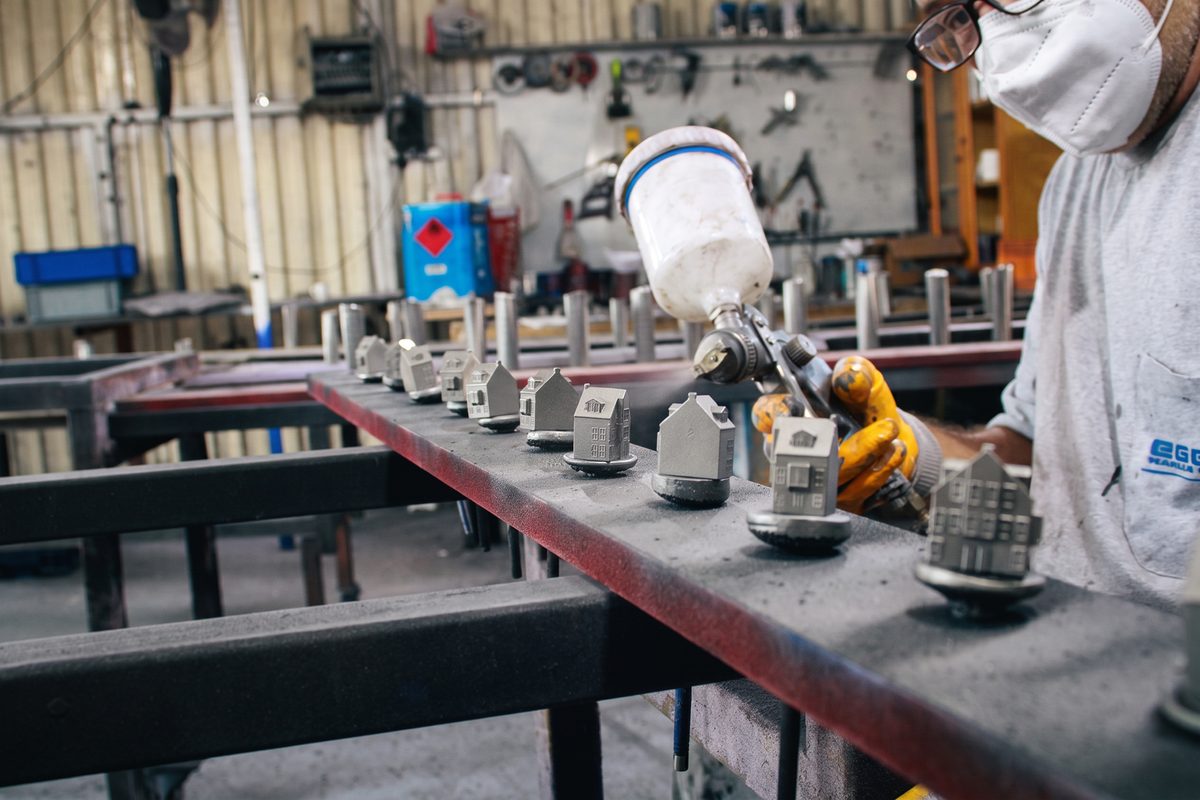
Each piece undergoes grinding, heat treatment, machining where needed, and hand-finishing, followed by rigorous quality-control inspection. Under this careful finishing process, stainless steel achieves a depth of lustre that echoes ivory or pale wax.
Each piece begins here.